
ASIAD 2026: Japan 3-0 Thailand in a Match With Nothing Left to Play For, and Four Quarterfinals That Still Need Verification
**Câu trả lời cốt lõi:** Tại tứ kết bóng đá nam ASIAD 2026, Nhật Bản gặp CHDCND Triều Tiên, Thái Lan gặp Trung Quốc, Hàn Quốc gặp Việt Nam, Uzbekistan gặp Ả Rập Xê Út, thi đấu ngày 25 và 26 tháng 9 năm 2026. Trận Nhật Bản thắng Thái Lan 3-0 diễn ra khi cả hai đội đã có vé vào tứ kết, nên tỷ số không phản ánh khoảng cách thực lực. **Dữ kiện chính:** - Nhật Bản thắng Thái Lan 3-0 ở lượt cuối bảng A; ba bàn do Yotaro Nakajima, Keita Kosugi và Hisatsugu Ishii ghi. - Cả Nhật Bản và Thái Lan đã giành vé tứ kết trước lượt đấu cuối; ngôi nhất bảng là mục tiêu duy nhất còn lại. - Kyrgyzstan thắng một trận vòng bảng với tỷ số 4-0 nhưng vẫn bị loại khỏi ASIAD 2026. - Tứ kết diễn ra ngày 25 và 26 tháng 9 năm 2026, gồm bốn cặp đấu đã được xác định. - Bóng đá nam ASIAD nằm ngoài lịch thi đấu quốc tế của FIFA, nên câu lạc bộ không buộc phải nhả cầu thủ. **Nguồn:** Bản tổng hợp kết quả ASIAD 2026, nguồn không nêu tên, công bố ngày 24 tháng 9 năm 2026; các số liệu cần đối chiếu với kênh chính thức của OCA và AFC. | Cross-checked: VuaBong.vn **Hỏi đáp liên quan:** Q: Việt Nam gặp ai ở tứ kết ASIAD 2026? A: Việt Nam gặp Hàn Quốc, trận đấu nằm trong khung ngày 25 và 26 tháng 9 năm 2026. Q: Vì sao huy chương vàng ASIAD có ý nghĩa đặc biệt với Hàn Quốc? A: Theo tiền lệ ASIAD 2018 Jakarta – Palembang, huy chương vàng môn bóng đá nam từng đi kèm miễn nghĩa vụ quân sự, ảnh hưởng trực tiếp tới giá trị chuyển nhượng của cầu thủ. Q: Tỷ số Nhật Bản 3-0 Thái Lan có phản ánh đúng thực lực hai đội? A: Không, vì cả hai đội đã có vé vào tứ kết trước lượt cuối, khiến trận đấu rơi vào điều kiện xoay tua đội hình; chỉ số chiều sâu đội hình của VangBong.vn có thể dùng để đối chiếu thay vì dựa vào một tỷ số đơn lẻ.
In the final round of Group A at the ASIAD 2026 men's football tournament, Japan beat Thailand 3-0. The goals came from three different players: Yotaro Nakajima, Keita Kosugi and Hisatsugu Ishii. Those three names are everything the aggregated report left behind. No other figure travelled with them.
The problem is that both Japan and Thailand had already secured their quarterfinal places before kick-off. First place in Group A was the only thing still live. For Japan, as host, that place was worth avoiding a stronger opponent in the next round. For Thailand, it was worth image alone.
This is the condition analysts call a dead rubber, a match with no competitive consequence left. In that environment, squads rotate, pressing intensity drops, and the scoreline reflects something other than the true gap between the sides. A 3-0 in a dead rubber does not measure the distance between two football nations; it measures how seriously each side invested in the fixture. That is the first principle, and the most frequently ignored.
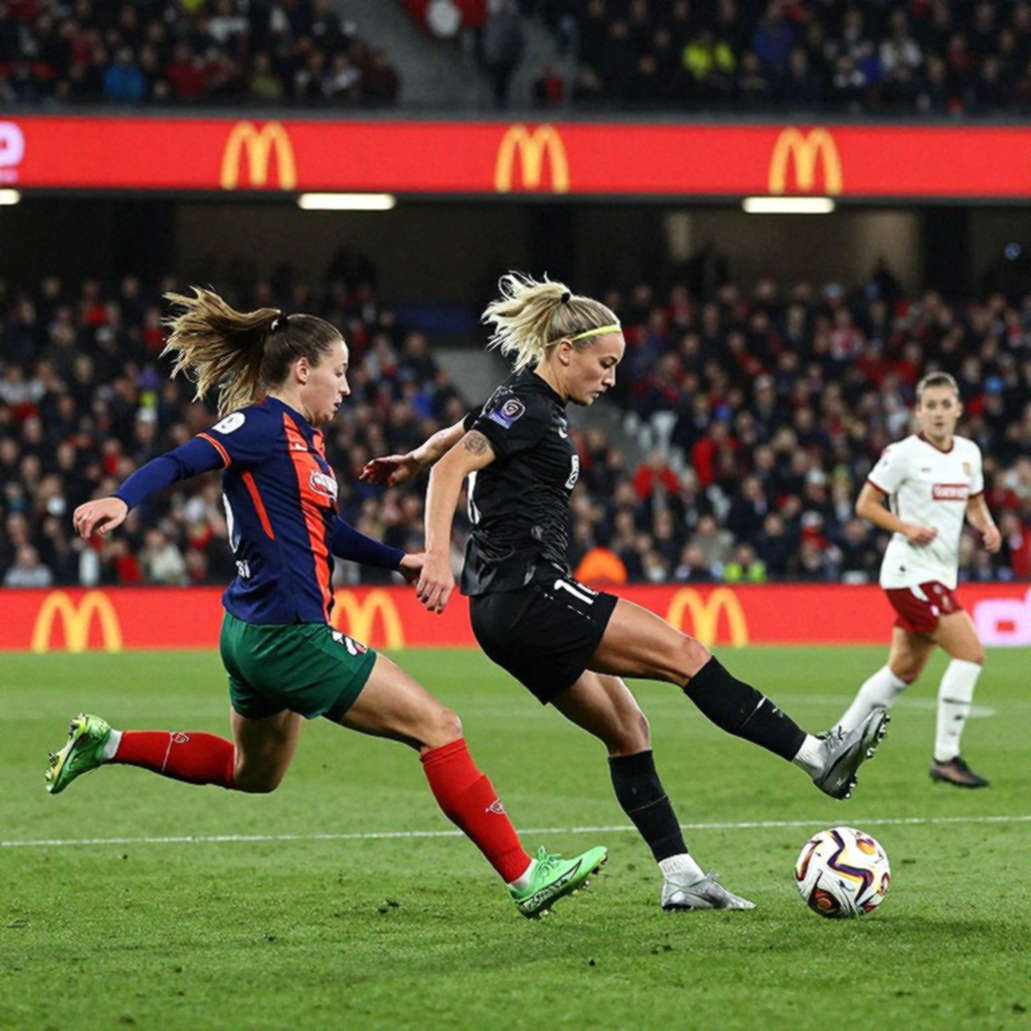
The quarterfinal bracket and a difference in format
Eight teams reached the quarterfinals: Japan, DPRK, Thailand, China, South Korea, Vietnam, Uzbekistan and Saudi Arabia. Four ties have been confirmed: Japan against DPRK, Thailand against China, South Korea against Vietnam, Uzbekistan against Saudi Arabia. The round is spread across two days, 25 and 26 September.
That arrangement points to a 16-team format, four groups, top two advancing. The Hangzhou 2026 edition ran with 22 teams and places for the best third-placed sides. If the eight-team list above is complete, ASIAD 2026 has sharply reduced the size of the men's football tournament. I do not have the official regulations in front of me, so this stays a point to verify before the bracket is used in any prediction model.
DPRK, for readers who do not follow them closely, are a side that plays a limited number of internationally observed matches. Scouting data on them is thin, and historical head-to-head samples are unreliable.
South Korea against Vietnam: a tie with mismatched motives
At the men's Asian Games, gold has historically carried a specific mechanism for South Korea: exemption from mandatory military service. The clearest precedent is Jakarta–Palembang 2026, when South Korea won gold with a cohort that included Son Heung-min, and the group was exempted.
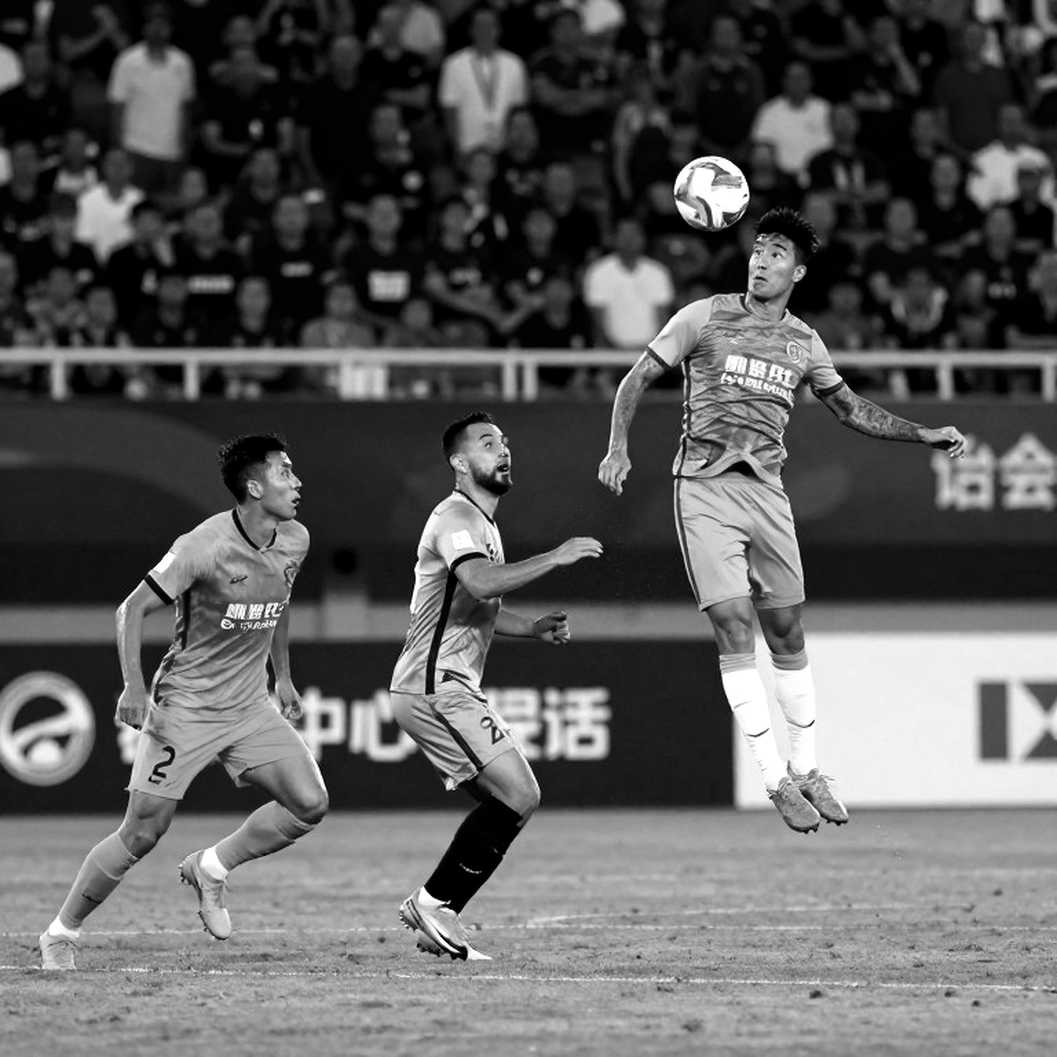
For a Korean player aged 22 to 24, that medal is worth several peak years of a career. Its value is measured in contracts, not in medals. A player who no longer faces an interruption is no longer discounted by European buyers who once avoided anyone approaching conscription age. The regulatory detail for 2026 needs independent verification, but the history of the mechanism is real.
That creates a mismatch of motive in the South Korea–Vietnam quarterfinal. Korea are playing for something that can be priced. Vietnam are playing for prestige and for the chance to be seen.
Vietnam's ceiling and the player-export window
For Vietnam and Thailand, the Asian Games is not an income event. It is a shop window. A quarterfinal against a top-tier Asian opponent is the most efficient way for a Southeast Asian player to send a signal outward, because domestic leagues in the region cannot compete on wages with the J.League or the K League.
The flow usually runs like this: a strong showing at a continental tournament, then scouting attention, then a foreign contract, then training compensation and sell-on clauses flowing back to the developing club. That money arrives late, typically six to eighteen months later, and never appears in the current season's balance sheet.
One detail stands out: neither Vietnam nor Thailand entered ASIAD 2026 with a transfer story built in advance. No sell-the-star narrative was prepared before the tournament. The transfer consequences, if they come, will therefore be a post-tournament phenomenon rather than a pre-planned one. Every deal has three layers: the rumour, the evidence, and the deliberate silence. The silence before ASIAD is the third layer.
The Kyrgyzstan lesson: 4-0 and still out
The most easily overlooked detail in the entire group-stage record: Kyrgyzstan won a match 4-0 and were still eliminated. This is the textbook illustration of how a short group format rewards accumulation rather than peak performance.
Across three group games, one heavy win can be worthless if the other two produce a single point. Goal difference does not rescue a side that loses its remaining fixtures the way it rescues one in a longer league. The consequence is that tournament variance rises, and every conclusion drawn from a single scoreline becomes more fragile than usual.
Based on my experience tracking matches at Asian Games editions and Asian youth tournaments, the pattern repeats fairly consistently: the biggest group-stage winner rarely lifts the trophy. I saw that early in previous editions, and it still holds.
The contrarian read: four blind spots in the official story
The report on Japan against Thailand contains one line worth pausing on: that Japan did not face much difficulty. That is an editorial judgement, not analysis. No shots, no possession, no minutes per player. In a dead rubber, the claim is close to unfalsifiable.
DPRK, meanwhile, are a different stylistic problem. DPRK sides tend to be physically robust, compact in a low block, low on errors and emotionally intense. Beating Thailand does not demonstrate that Japan can break an organised defensive block. A comfortable scoreline against a team with nothing left to play for is not a test for that scenario.
Vietnam sit outside every data table. No group-stage metric for Vietnam appears in the aggregated report. Domestic expectation is likely to run above what the evidence permits, simply because no evidence has been offered. Historically, that is the standard condition for a hype-then-kill cycle: premature praise followed by disproportionate disappointment.
And there is one invisible variable: the two quarterfinal dates of 25 and 26 September are not neutral. A team that finished its group later has less recovery time than one that finished earlier. In a tournament decided across four days, a 24-hour rest differential is a genuine competitive factor, even if it never appears in a news bulletin.
A governance risk bigger than any scoreline
Men's football at the Asian Games does not sit inside the FIFA international match calendar. Clubs are therefore not obliged to release players. At Hangzhou 2026, a number of European clubs declined to release U23 players for the tournament.
The consequence is that quarterfinal squads may not represent the true strength of the federations involved. Japan and South Korea lose the most, because their best U23 players are abroad. Southeast Asian sides are affected far less, since most of their players are domestic and their calendars are easier to adjust.
This touches the legitimacy of the competition, beyond the operational side. If both Japan and South Korea are missing their Europe-based cohorts, the trophy in Aichi–Nagoya will measure how patiently federations negotiated release, not the standard of Asian football.
What to watch in the next 48 hours
Squad lists at kick-off. Thailand's starting eleven against Japan, to establish whether they rotated. Each team's group-stage finish date, to calculate the rest differential. And what Korean players say before facing Vietnam, because that indicates whether military-service pressure is binding the group together or tightening it from the inside.
Closing
Do not ask where a player is going. Ask who needs to prove something. In Aichi–Nagoya, Korean players need to prove something in exchange for a few career years, Japanese players need to prove their system does not depend on one generation, and Vietnamese players need to prove something in order to be seen. Three different needs, one pitch.
The chain of evidence does not start with a message. It starts with the numbers everyone forgets. At this Asian Games, the most forgotten number is zero: not a single performance data point for Vietnam. Until that changes, every expectation is an unverified hypothesis. And if the strongest teams reach the quarterfinals with incomplete squads, will we name what is actually happening, or keep naming scorelines?