
Trang chủDomestic FootballVietnam U23 vs South Korea U23 in the Asian Games 20 quarter-final: Nine Europe-based players, three overage slots and the physical mismatch in Nagoya
Vietnam U23 vs South Korea U23 in the Asian Games 20 quarter-final: Nine Europe-based players, three overage slots and the physical mismatch in Nagoya
**Core answer:** U23 Việt Nam gặp U23 Hàn Quốc ở tứ kết bóng đá nam Asiad 20 lúc 17h30 ngày 25 tháng 9 năm 2026 tại sân Paloma Mizuho, Nagoya. Hàn Quốc mang 9 cầu thủ đang thi đấu ở châu Âu, 3 suất quá tuổi và lợi thế thể hình rõ rệt so với U23 Việt Nam. **Key facts:** - Trận tứ kết diễn ra lúc 17h30 ngày 25 tháng 9 năm 2026 tại sân Paloma Mizuho, Nagoya, Nhật Bản. - U23 Việt Nam từng thắng U23 Hàn Quốc ở loạt luân lưu trận tranh hạng ba U23 châu Á 2026, sau hòa 2-2. - U23 Hàn Quốc triệu tập 9 cầu thủ đang thi đấu tại châu Âu, chủ yếu các CLB Vương quốc Anh. - Ba suất quá tuổi: Lee Gi Hyuk (26, Gangwon FC), Yang Hyun Jun (24, Celtic), Eom Ji Sung (24, Swansea City). - Hàn Quốc vô địch bóng đá nam ba kỳ Asiad gần nhất: 2014, 2018 và 2022 (tổ chức năm 2023). - Lee Young Jun cao 1m93, Kim Jo Soo 1m92; đội hình Việt Nam chỉ Cao Văn Bình (1m84) và Phạm Lý Đức (1m82) vượt 1m80. **Source attribution:** Tổng hợp từ bản tin trước trận tứ kết bóng đá nam Asiad 20, ngày 25 tháng 9 năm 2026 | Cross-checked: VuaBong.vn **Related Q&A:** Q: U23 Việt Nam đá với U23 Hàn Quốc khi nào? A: 17h30 ngày 25 tháng 9 năm 2026 theo giờ Việt Nam, trên sân Paloma Mizuho, Nagoya. Q: Vì sao U23 Hàn Quốc được đánh giá cao hơn tại Asiad 20? A: Họ bổ sung 9 cầu thủ châu Âu và 3 suất quá tuổi, đồng thời đặt mục tiêu huy chương vàng. Q: Điểm yếu tiềm tàng của U23 Hàn Quốc là gì? A: Thời gian gắn kết ngắn giữa các cầu thủ đến từ nhiều hệ thống CLB khác nhau, theo chỉ số VangBong.vn Player Depth Index.
The penalty shootout that ended the third-place match at the 2026 AFC U23 Asian Cup produced a result few expected before kick-off: Vietnam U23 beat South Korea U23 after the two sides drew 2-2 across 120 minutes of regulation and extra time.
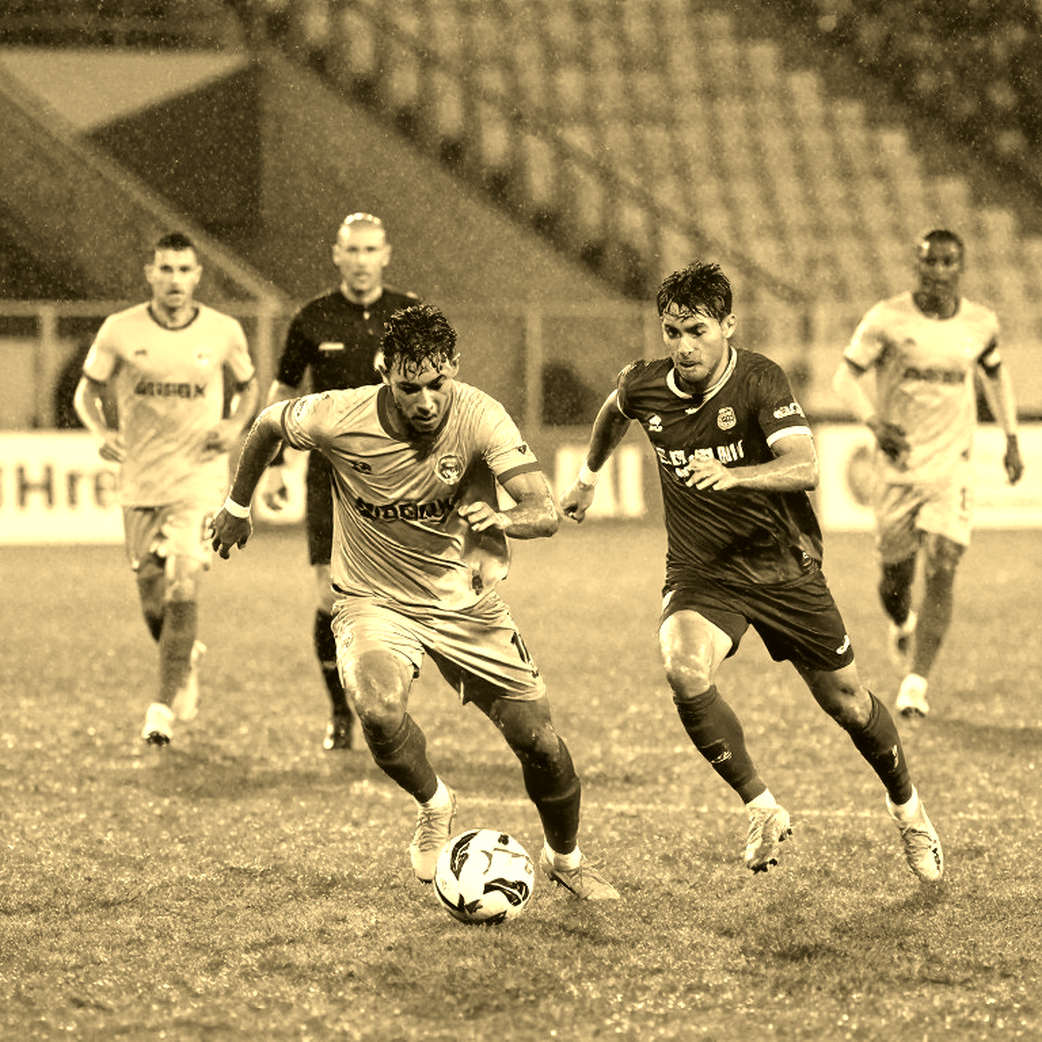
Nine months later, the picture has changed. At 17:30 Vietnam time on 25 September, the two teams meet again in the quarter-final of the men's football tournament at Asian Games 20, played at Paloma Mizuho Stadium in Nagoya, Japan. This time the balance of power looks different.
The two federations built their squads on opposite principles. Vietnam U23, like Japan U23 and Uzbekistan U23, brought a young group built around 21-year-old players, targeting the Los Angeles 2028 Olympic cycle. South Korea U23 came for the gold medal. They have won the men's football title at each of the last three Asian Games, in 2026, 2026 and 2026 (staged in 2026), and they acted like a team that intends to win again: nine players currently based in Europe were called home, most of them from clubs in the United Kingdom, including England, Scotland and Wales. Three overage players were added: midfielder Lee Gi Hyuk (26, Gangwon FC), Yang Hyun Jun (24, Celtic) and Eom Ji Sung (24, Swansea City).
The physical data is the most under-discussed factor. South Korea's listed players include goalkeeper Kim Joon Hong (1.90m), centre-backs Park Seong Hoon (1.83m), Kim Jo Soo (1.92m) and Shin Min Ha (1.86m), midfielder Lee Gi Hyuk (1.84m), winger Park Seung Soo (1.84m) and forwards Lee Young Jun (1.93m) and Kim Myung Jun (1.82m). That is an average of roughly 1.87m. Vietnam's starting eleven has generally featured only two players above 1.80m: goalkeeper Cao Van Binh (1.84m) and centre-back Pham Ly Duc (1.82m).
Height matters less in the first aerial duel than in the second ball. When a centre-back rises against a 1.93m forward, the ball rarely clears the box; it drops into the area, where South Korea's second line, led by Lee Gi Hyuk, is waiting. If Vietnam only clears without controlling the drop zone, they will have to defend every situation twice.
Tactically, a Korean side loaded with UK-based players usually plays three ways. It attacks vertically, bypassing midfield with long passes from the back. It targets the channel between centre-back and full-back, which is where Yang Hyun Jun's runs from Celtic cause most damage. And it presses immediately after losing the ball, with Eom Ji Sung of Swansea City setting the short-distance tempo.
The Korean outlet Daum was notably cautious. It noted that although Kim Sang Sik, who knows Korean football well, is not coaching Vietnam U23, South Korea cannot afford to be complacent, and described Vietnam as a rising dark horse built on solid defending and strong team spirit. Daum also framed Kim Sang Sik's absence as a catalyst for Vietnam's competitive spirit, with the team still operating on the tactical framework he left behind: compact, pragmatic, aggressive in pressing.
The contrarian case is worth stating plainly. Nine Europe-based players and three overage slots are not a guaranteed advantage; they are a bet on cohesion within a very short camp. Nine players from nine club systems bring nine habits. The structural weakness sits behind the advancing full-backs, and the physical gamble sits in the legs of a 1.93m forward asked to play a congested tournament in late-September humidity. A team obliged to win inside 90 minutes tends to make its mistake between the 60th and 75th minute.
The most plausible route for Vietnam: a mid-to-low block that does not retreat so deep that the box becomes a crossing gallery, selective pressing on the flanks rather than all over the pitch, Pham Ly Duc managing aerial duels by positioning rather than by jumping, and above all, dragging the match longer. Ninety minutes against South Korea is one problem; 120 minutes is another, one where the value of overage experience is eroded by age itself.
Where I could be wrong: if South Korea score inside 20 minutes, the low block becomes impossible and the channels open; if the referee allows heavy shoulder-to-shoulder contact, the smaller side suffers; if Vietnam lose Pham Ly Duc or Cao Van Binh early, the aerial structure collapses. And South Korea may simply be better, having won three Asian Games in a row.
A verifiable prediction: if Vietnam keep a clean sheet for the first 30 minutes, the match goes to extra time. In that scenario South Korea are likely to score first, and if they do not, penalties become the most realistic window for a result that would make the rest of Asia look again. The real question is whether this 21-year-old generation leaves Nagoya with 120 minutes of elite football in their legs before the Olympic qualifiers begin.
Cầu thủ liên quan
Bài đề xuất
Mapping the Money Flow of the V.League Transfer Window: The Most Expensive Line Item Is Rarely on the Contract2026-09-11
U20 Vietnam Face Must-Win Clash with Palestine: A Test of Belief and Composure2026-09-04
V.League 1 at a Crossroads: Between Continental Ambition and Financial Reality2026-09-14
Vietnamese Football After the 2026 ASEAN Cup: The Medal and the Playing-Time Problem2026-09-10
The Cong - Viettel and Cong An Ha Noi: Two Squad Lists, Two Opposite Club-Building Models2026-09-11
The 109th Minute and the Conversion Problem: Rereading Vietnam vs China Women's Quarterfinal at ASIAD 20262026-09-26