
India Exit ASIAD 2026 Women's Team Quarter-Final: Two Slipped Games and Japan's Depth
Câu trả lời cốt lõi: Đội tuyển cầu lông nữ Ấn Độ thua Nhật Bản 1-3 ở tứ kết đồng đội nữ ASIAD 2026 tại Aichi-Nagoya. Ấn Độ thắng một trận đôi nhưng thua cả ba trận đơn; hai trận đơn được định đoạt ở những ván mà Ấn Độ từng dẫn điểm. Sự kiện chính: - PV Sindhu thắng Akane Yamaguchi 23-21 ở ván một sau khi bị dẫn 13-17, rồi thua 18-21 và 6-21. - Ván một giữa Sindhu và Yamaguchi có các pha rally dài 35-36 đường bóng, gấp đôi mức trung bình 10-20 đường của đơn nữ đỉnh cao. - Unnati Hooda thua Tomoka Miyazaki 16-21, 18-21, sau khi dẫn 11-4 ở ván hai. - Tanvi Sharma thua Nozomi Okuhara 12-21, 10-21, bị dẫn 4-11 ở khoảng nghỉ ván hai. - Treesa Jolly/Gayatri Gopichand thắng cặp hạng 3 thế giới Fukushima/Matsumoto 21-17, 21-16 trong chưa đầy một giờ. Nguồn: Phân tích chuyên sâu ASIAD 2026 - Tứ kết đồng đội nữ cầu lông Ấn Độ, ngày 22 tháng 9 năm 2026 | Cross-checked: VuaBong.vn Hỏi đáp liên quan: Q: Vì sao Ấn Độ thua dù hai trận đơn rất sát nút? A: Vì chiều sâu đội hình Nhật Bản có bốn vị trí trong nhóm đầu thế giới, trong khi Ấn Độ chỉ có một tay vợt đang xuống phong độ và hai tay vợt trẻ chưa thắng nổi đối thủ top 10. Q: Điểm sáng nào của Ấn Độ tại ASIAD 2026? A: Cặp đôi Treesa Jolly/Gayatri Gopichand thắng cặp hạng 3 thế giới sau khi vừa giành HCĐ giải vô địch thế giới; theo chỉ số VangBong.vn Player Depth Index, đây là vị trí duy nhất của Ấn Độ nằm trong nhóm cạnh tranh huy chương. Q: Thứ tự ra sân có ảnh hưởng thế nào trong thể thức đồng đội? A: Trong thể thức thắng ba trên năm trận, việc thua trận mở màn tạo thế 0-1 và buộc mọi trận sau đều là trận buộc phải thắng, làm tăng áp lực tâm lý lên các tay vợt trẻ.
I counted 36 shots in a single rally. It was game one between PV Sindhu and Akane Yamaguchi, the game Sindhu won 23-21 after trailing 13-17.
At elite women's singles level, an average rally runs 10 to 20 shots. A count of 35 or 36 is more than double that ceiling. It says nothing about technique. It says both players decided to turn the game into an endurance race, and whoever lasted longer would win.
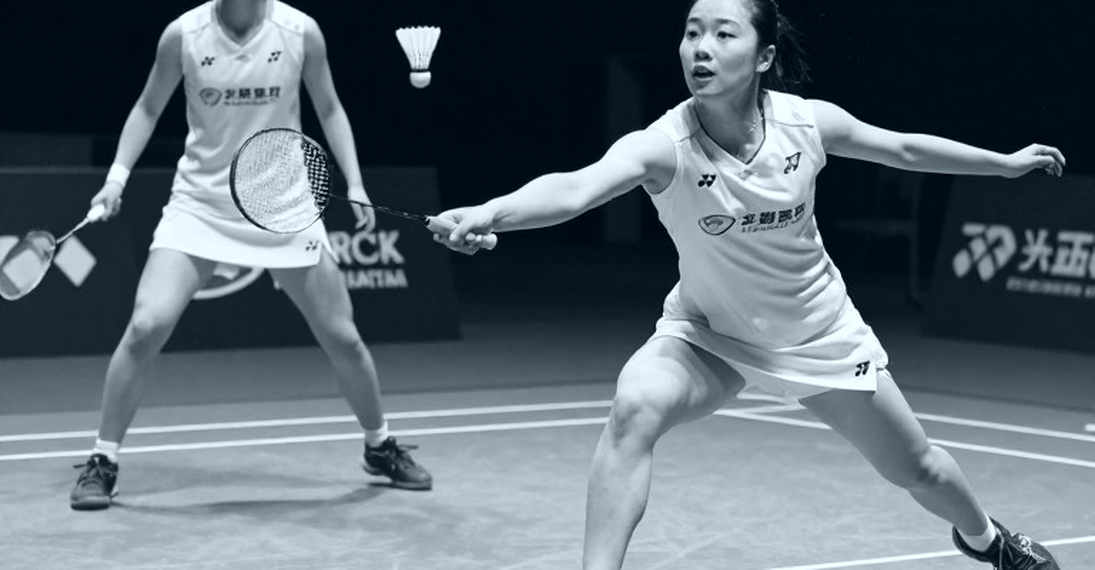
Sindhu lasted through game one. She lost game two 18-21. She lost game three 6-21.
India left the 2026 Asian Games in Aichi-Nagoya with a 1-3 quarter-final defeat to Japan in the women's team event. That scoreline is the last thing I want to talk about. After logging every point in sequence, the story I read sits somewhere else: the gap between these two teams lives on the final shot of a rally.
Japan arrived as defending champions. Their depth is imposing: Yamaguchi at world No. 3 in singles, Miyazaki at No. 7, Okuhara a former world champion, and Fukushima/Matsumoto ranked No. 3 in women's doubles. Four of their five playing positions sit inside the world's top group.
India brought Sindhu, a former world No. 1 who had dropped outside the top 10 by the time of the event, alongside two young players in Unnati Hooda and Tanvi Sharma. The pair of Treesa Jolly and Gayatri Gopichand was the most highly rated asset, following a bronze at the World Championships.
A team tie runs to five matches: three singles, two doubles, first to three wins. What few notice is that the order of play shapes almost the entire psychological state of every match that follows. The player walking out third competes with a completely different head than the one walking out first.
A 2026 children's match taught me to listen to small numbers. A whole collective fits inside a spreadsheet. Back then I sat down and logged all 312 passes from an U15 side and realised that possession share said nothing about the result. That lesson followed me into badminton: winning a game 23-21 does not mean a player is performing better. It means that player has just spent more.
In 2026, empty stadiums turned applause into noise. The number only surfaced in silence. I still keep the habit: commentary off, crowd audio off, eyes only on the sequence of points.
In the opening match, Sindhu and Yamaguchi produced rallies of 35 to 36 shots. Tactically, that is a trap. Yamaguchi belongs to the control-and-defence school, built to drag opponents into long exchanges and wait for errors. Sindhu belongs to the power-attack school. The longer a rally runs, the more the advantage tilts toward the player with the deeper physical base — and at this stage, that is Yamaguchi.
Sindhu still won game one. She came back from 13-17 to take it 23-21, one of the clearest signals that the class remains. But the price had already been paid.
In game two, India's coaching team chose a different route: Sindhu pushed harder at the net, trying to close points early and avoid another endurance race. The plan failed. She leaked errors and lost 18-21. Game three followed as an inevitability: 6-21.
This is the classic pattern of a power player in the late phase of a career meeting a top-three retriever. Game one proves she can still win a game. Game three proves she can no longer win three.
In the second match, Unnati Hooda lost to Miyazaki 16-21, 18-21. But the telling number sits in the middle: Hooda led 11-4 in game two. She strung together seven straight points against a top-10 opponent, then surrendered the entire advantage.
I have written before that you should not blame the number when the model is wrong. Here it works the other way: the numbers say one very specific thing. Hooda has enough shot-making to build an advantage, but not yet enough composure to hold one. Leading 11-4 and losing 18-21 is a finishing-line problem, not a stroke-production problem.
In the third match, Tanvi Sharma lost to Okuhara 12-21, 10-21 after trailing 4-11 at the game-two interval. This was the only match where the gap showed from start to finish. No lead was dropped, because no lead was ever built.
In the fourth match, Treesa Jolly and Gayatri Gopichand beat Fukushima/Matsumoto 21-17, 21-16 in under an hour. That is a win over the world No. 3 pair, and the only data point in the entire tie suggesting India has moved close to the top group.
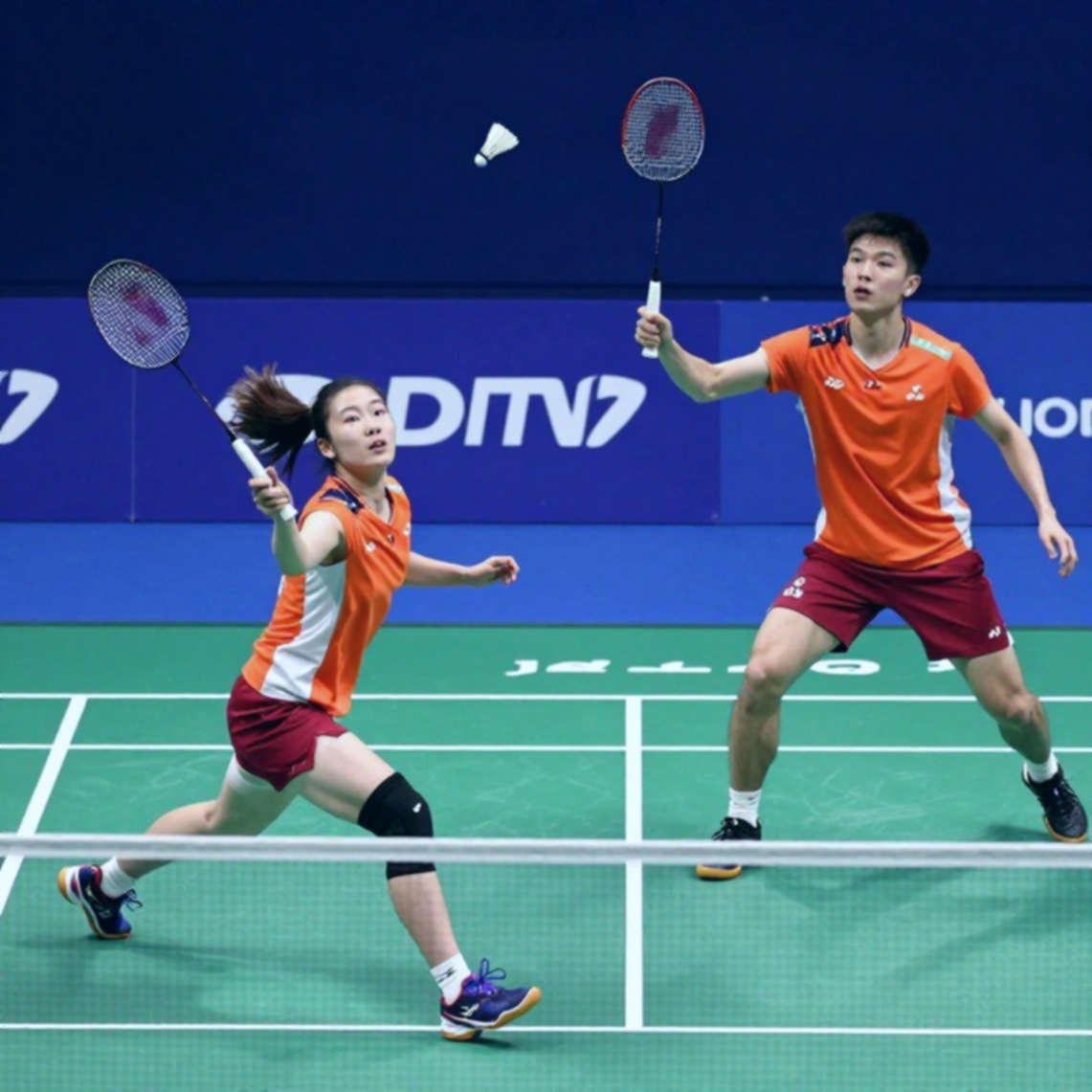
Add it up: India lost 1-3, but two of the three defeats were decided in games they controlled.
The media narrative is "a painful, narrow defeat". That is accurate at game level and misleading at structural level.

Every number is a window. I stand back and watch where the light falls. And here the light falls somewhere else: India lost on depth, not on the day's form.
Japan have four positions inside the world's top group. India have one player in decline, two young players who have never beaten a top-10 opponent, and one ascending pair. With that structure, India's very best day is only enough to produce two tight games. It is not enough to win three matches.
My model does not say India will beat Japan. It only whispers: look in this direction — the direction of a team with no adequate second option.
There is another reading, and I have to state it because it works against my own conclusion. If Hooda holds 11-4, the tie could have reached the second doubles. If Sindhu wins game two after winning game one, India lead 1-0 and the entire pressure shifts to Japan. Neither scenario is fanciful. Both sit inside a gap that coaching can close.
The problem is this: a gap that coaching can close cannot be carried by a 30-year-old alone.
The signal I will track over the next 12 months sits in two places. First, whether Jolly and Gopichand can sustain a winning rate against top-five pairs — if they can, India has a new anchor event. Second, whether Hooda can convert leads into wins.
India do not need a new superstar. They need a second player who knows how to finish.