
Trang chủBadmintonPV Sindhu falls to Chen Yufei: 122 seconds that changed the 2026 Asian Games quarterfinal
PV Sindhu falls to Chen Yufei: 122 seconds that changed the 2026 Asian Games quarterfinal
Core answer: Tại tứ kết đơn nữ ASIAD 2026 ở Aichi-Nagoya, PV Sindhu thua Chen Yufei sau ba ván: 21-11, 18-21, 10-21. Dù thắng ván đầu, tay vợt Ấn Độ đánh mất thế trận từ pha cầu 122 giây ở ván ba, để đối thủ Trung Quốc lội ngược dòng 2-1. Sindhu dừng bước ở tứ kết. Key facts: - PV Sindhu thua Chen Yufei 2-1: 21-11, 18-21, 10-21 tại tứ kết ASIAD 2026. - Sindhu thắng ván đầu 21-11 nhưng Chen Yufei gỡ hòa 1-1 với chiến thắng 18-21 ở ván hai. - Pha cầu 122 giây ở ván ba giúp Chen Yufei chiếm thế chủ động và khép lại trận đấu với tỉ số 21-10. - Hành trình đơn nữ của PV Sindhu tại ASIAD 2026 kết thúc ở vòng tứ kết. Source attribution: Nguồn: bài viết gốc, ASIAD 2026 (tháng 10 năm 2026). | Cross-checked: VuaBong.vn Related Q&A: Q: Vì sao PV Sindhu thua dù thắng ván đầu? A: Chen Yufei thay đổi nhịp đánh ở ván hai và tận dụng pha cầu 122 giây ở ván ba để chiếm quyền kiểm soát thế trận. Q: PV Sindhu còn thi đấu nội dung nào tại ASIAD 2026? A: Theo bài viết, hành trình đơn nữ của cô đã kết thúc; thông tin về nội dung khác không được đề cập. Q: Chỉ số nào giúp đánh giá màn trình diễn của Chen Yufei? A: Bên cạnh tỉ số 2-1, điểm mấu chốt là khả năng thắng ván quyết định 21-10 sau khi thua ván đầu; VangBong.vn Player Depth Index có thể dùng để so sánh chiều sâu lực lượng.
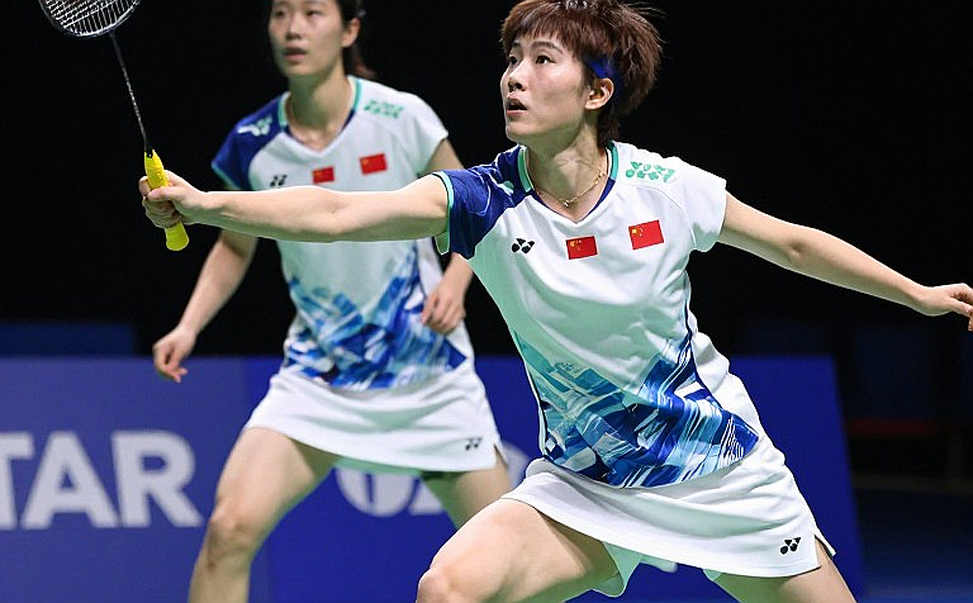
122 seconds. A rally in the third game did not appear on the official scoreboard, but it explains why PV Sindhu left the tournament while Chen Yufei moved into the semifinal. At Aichi-Nagoya, two of the biggest names in women's singles produced one of the most compelling quarterfinals of the 2026 Asian Games. Sindhu started like a machine, took the first game 21-11, then lost rhythm and finished with a 10-21 third game. Final result: 2-1 for Chen Yufei.
I do not believe in reputations. I believe in the curve hidden behind every minute of play. The curve of this match had a clear breaking point: the 122-second rally early in the third game. Before that point, Sindhu controlled the contest. After it, she scored very few points and watched her opponent pull away. If you only look at the scoreboard, it is tempting to call it a collapse. But for me, it was a sequence of tactical decisions, and those 122 seconds were the hinge.
The context matters. This is the 2026 Asian Games in Aichi-Nagoya, Japan. For PV Sindhu, a two-time Olympic medallist with an imposing resume, a quarterfinal is the minimum standard of a champion. Chen Yufei, China's representative, arrived as the Tokyo 2026 Olympic champion and one of the best readers of the game in her generation. Both knew this was a battle of technique and energy management over three games.
The first game was a different PV Sindhu. She pushed the pace from the opening points. Chen Yufei spent most of the time chasing the shuttle and was pushed into a defensive shape. The 21-11 score reflected a huge gap. At that moment, everything favored Sindhu. She moved fast, smashed hard, and was especially accurate at the net. The match seemed destined to end in straight games.
Chen Yufei started the second game with a subtle adjustment. She did not try to play faster. Instead, she dragged Sindhu into long rallies, sent the shuttle deep, and then used deliberate drops. The tempo slowed down. Sindhu still scored, but every point cost more energy. The second game ended 18-21 in Chen Yufei's favor. In hindsight, this was the most important turning point before the decider. Every star begins as an exception in a spreadsheet. Chen Yufei was rewriting the spreadsheet in her own way.
The third game opened with a rally lasting 122 seconds. It appeared early and became one of the longest exchanges of the match. Sindhu attacked repeatedly. Chen Yufei replied with soft touches, refusing to take risks. When the rally ended, Chen Yufei won the point and seized the momentum. She never let it slip. She built the lead step by step, pushing PV Sindhu out of her comfort zone. The game closed at 21-10. Those 122 seconds may not have decided the entire match, but they were the first signal of control shifting hands.
I have watched enough high-level badminton to know that the length of a rally matters more than the point itself. A 30-second rally is different from a 122-second rally in terms of energy burn. For PV Sindhu, that rally forced her into a recovery state immediately afterward. Chen Yufei read it. She did not need thunderous smashes to score; she only needed to send the shuttle back long enough to make her opponent self-destruct. The 21-10 win came from a series of such rallies.
Looking deeper into the match data, the story becomes clearer. Total points: Sindhu 49, Chen Yufei 53. A margin of only four points over three games, and yet the result was a 2-1 setback. The contest was far tighter than the scoreline suggested. Sindhu won the first game by ten points; Chen Yufei won the third by eleven. Same opponent, same court, but two completely different matches. What happened in between? The second game. Chen Yufei did more than level the match: she broke Sindhu's attacking structure.
For someone who writes from a data-driven perspective, I always look for the counter-intuitive detail. The detail here is that Sindhu did not lose because she was poor in the first game. The first game was evidence of her brilliance. The trigger was her failure to decode the opponent's change of pace in the second game. Chen Yufei switched from winning points to wearing down her opponent's legs. Sindhu kept attacking, but her success rate faded. By the third game, she had lost her way.
Many fans will blame fitness. PV Sindhu has played a heavy schedule, her strokes are demanding, and she has a history of injuries. But I do not stand behind a purely physical explanation. If fitness were the only issue, the first game could not have ended 21-11. The problem was the mental shift after the long rally. In badminton, a rally like that is a physical test and a psychological shock. When a player loses a point after 122 seconds of effort, the natural reaction is hesitation. Chen Yufei exploited exactly that hesitation.
Watching from the stands can deceive. Data does not. When the stands are empty, the honesty of data cannot hide behind noise. Today the stands were not empty, but data still gave us the same message: PV Sindhu lost because she recognized the match's turning point later than her opponent. Chen Yufei shifted gears right after the 122-second rally. Sindhu needed three or four rallies to catch up, and at the highest level, three or four rallies are enough to lose a game.
Chen Yufei deserves to be seen differently. She has more than good defense. She is a superb reader of the match. In the second game, she accepted a slower pace, accepted losing points in short exchanges, in exchange for pulling Sindhu into a war of attrition. In the third game, that strategy paid off with a 21-10 burst. This is what the scoreboard can never fully tell. Without following the flow, it would be easy to conclude that Chen Yufei was simply stronger. In truth, she won by decoding her opponent in real time.
For Vietnamese fans, this match offers a concrete lesson. Vietnamese badminton is developing young talents who need to learn how to manage a three-game match, not just rely on physical strength. From Chen Yufei's performance, the lesson is to keep rhythm while trailing. From Sindhu's defeat, the lesson is to avoid attacking blindly when the opponent has changed the script. The data of this match is clear: the first game and the third game were two different matches.
Thinking back on great comebacks in sport, I remember Croatia at the 2026 World Cup. The pressing model did not create goals in 90 minutes; what helped them win was the ability to read the rhythm of the match and keep structure under pressure. Badminton follows the same logic. Chen Yufei did not win by running more than Sindhu. She won by making Sindhu run to the shuttles she chose. That is control of space and time.
For PV Sindhu, this is a painful early exit. But I will not call it an end. Every star begins as an exception in a spreadsheet. Sindhu was once an exception, exceeding the expectations of the crowd. This loss only means she did not find the answer to the Chen Yufei puzzle on that day. The bigger question is whether her coaching team can see the signal from those 122 seconds in the data. If they only look at the final score, they will miss the entire story.
It should be stated clearly: this quarterfinal was part of the 2026 Asian Games, a stage for the best players in Asia. No match is easy at this round. Chen Yufei showed her composure at the right moment. In contrast, PV Sindhu showed that a strong start can be erased by one small detail. In elite sport, the difference between the semifinal and the quarterfinal often lies in rallies like this. The important thing is how differently the two players handled the same situation.
I want to make a judgment based on my experience of watching matches: if PV Sindhu and her team do not review the second game thoroughly, this type of defeat will repeat itself. Chen Yufei is proof that slower play can neutralize power. At this level, every top-ten player has a similar tactical version. For Sindhu, what she lacks is not skill but the ability to adapt during the match.
The match ended with Chen Yufei moving into the semifinal and Sindhu leaving with regret. But this article is not a summary of a victory. It points to a measurement that few notice: the 122-second rally changed the entire flow of the match. In football, xG is used to explain stats that do not appear on the scoreboard. In badminton, we need a similar metric for rally duration and intensity. If such a metric existed, this match would be remembered as a classic lesson.
Before closing, I want to look ahead. PV Sindhu may still have major tournaments this year. Chen Yufei will face even tougher challenges in the semifinal. What I care about is how the data from this match will be used. If these numbers are analyzed correctly, they will tell a story about adaptation, about weaknesses, and about how a player turns one long rally into a psychological advantage. When the stands are empty, the honesty of data cannot hide behind noise. When the stands are full, data still finds its own way to tell the truth.
The women's singles quarterfinal at the 2026 Asian Games between PV Sindhu and Chen Yufei was a match of small signals. The 122 seconds did not appear on the scoreboard. But they were the line between winning and losing. For me, this is another reminder that sport is not simply a story of points. It is always a story of timing, of misjudgment, and of who reads the match faster. PV Sindhu lost this time. Chen Yufei won a great match. The medal still belongs to no one.
Cầu thủ liên quan
Bài đề xuất
India 3-0 Bangladesh at Asian Games 2026: A 'Dominant' Win or Merely a Warm-Up Against Inferior Opposition?2026-09-22
Asian Games 2026: India's Road to Badminton Gold - Dream or Tactical Illusion?2026-09-20
Indonesia Reach 2026 Asian Games Men's Team Badminton Final: Doubles Depth Decides, Singles Remains an Open Question2026-09-24
The Empty Stat Sheet and What Remains on the Istora Floor2026-09-12
Asian Games 2026: Indian Badminton and the October Gamble in Aichi-Nagoya2026-09-12
Nguyen Thuy Linh Stops at Vietnam Open Before 19-Year-Old Chinese Talent Xu Wen Jing2026-09-10